
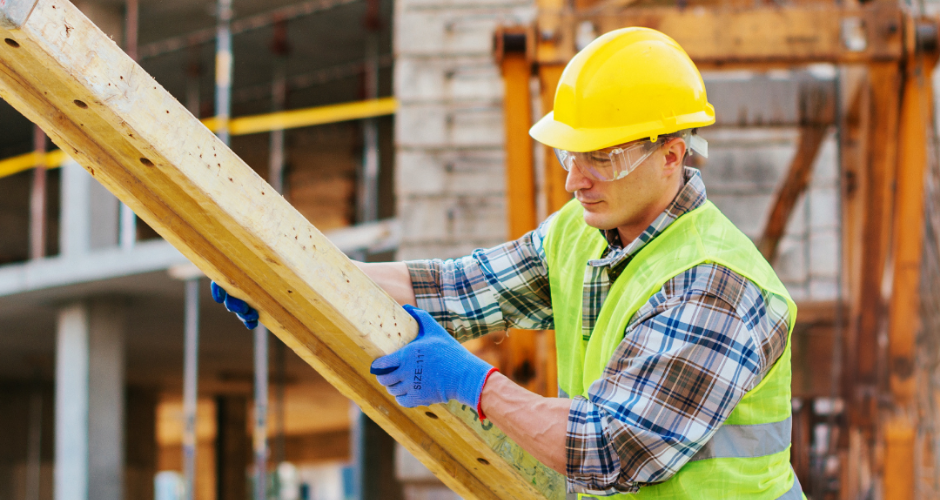
The construction industry is evolving at a historic pace. For TCE Constructors, staying ahead of the curve means continuously embracing new technologies, materials, and strategies that redefine modern building. As the demand for efficient, flexible, and sustainable spaces increases, the future of commercial construction San Diego promises even more innovation.
Developers, businesses, and communities expect buildings that perform better, last longer, and adapt to changing needs. Below is a look into the forces reshaping commercial and industrial construction, and how these advancements will influence future projects.
Technology as the Backbone of Modern Construction
Digital tools now play a crucial role in improving project accuracy and workflow. Building Information Modeling (BIM), 3D laser scanning, and drone surveying provide precise insight into building layouts, grading, and materials. These tools help reduce errors, improve communication, and create efficient scheduling strategies.
For large-scale industrial projects, precision is everything. With AI-assisted modeling and automated equipment, today’s projects move faster, safer, and with more reliability.
These advancements benefit every stakeholder, from the commercial real estate developer to end users.
Sustainability and Adaptive Reuse Gain Momentum
Sustainability is no longer an optional trend, it is the future. Energy-efficient lighting, high-performance insulation, solar integration, water-saving systems, and low-impact materials define the next generation of construction solutions.
One of the most exciting shifts is the rise of adaptive reuse. Rather than demolishing old structures, developers are transforming them into modern, functional spaces. Adaptive reuse preserves history, reduces waste, and shortens construction timelines, all while offering cost savings.
In commercial construction San Diego, adaptive reuse is especially significant due to the region’s architectural diversity and strong sustainability commitments.
The Future of Commercial and Industrial Construction
This subheading highlights how technology, sustainability, and design innovation converge to redefine future building practices.
Key trends include:
• Smart buildings equipped with IoT systems
• Prefabrication and modular building components
• Robotics for repetitive, labor-intensive tasks
• Enhanced safety technology and predictive analytics
• Flexible floor plans for changing tenant needs
These trends not only speed up construction but also increase long-term operational efficiency.
Shorter Timelines Through Prefabrication and Automation
Prefabricated components, such as wall panels, mechanical systems, and structural elements, are manufactured off-site in controlled environments. This leads to faster installation, better quality control, and decreased labor demands.
Automation, including robotic bricklaying and AI-driven equipment routing, is reducing human error and accelerating workflows.
These modern approaches allow TCE Constructors to deliver more predictable timelines and more efficient construction processes.
Workforce Evolution Through Technology and Training
As the industry becomes more digital, construction professionals need new skill sets. TCE Constructors invests in training and development, ensuring workers master:
• Digital modeling software
• Automated machinery
• Data-driven project management tools
• New building materials and methods
This ongoing advancement strengthens project quality and empowers teams to meet future demands.
Build the Future with TCE Constructors
From sustainability to smart technology, TCE Constructors is committed to delivering future-ready commercial and industrial construction solutions.
Contact TCE Constructors today to bring tomorrow’s construction innovations into your next project.
Blog Created and Maintained by Revvia Marketing