
The Challenge of Balancing Three Priorities
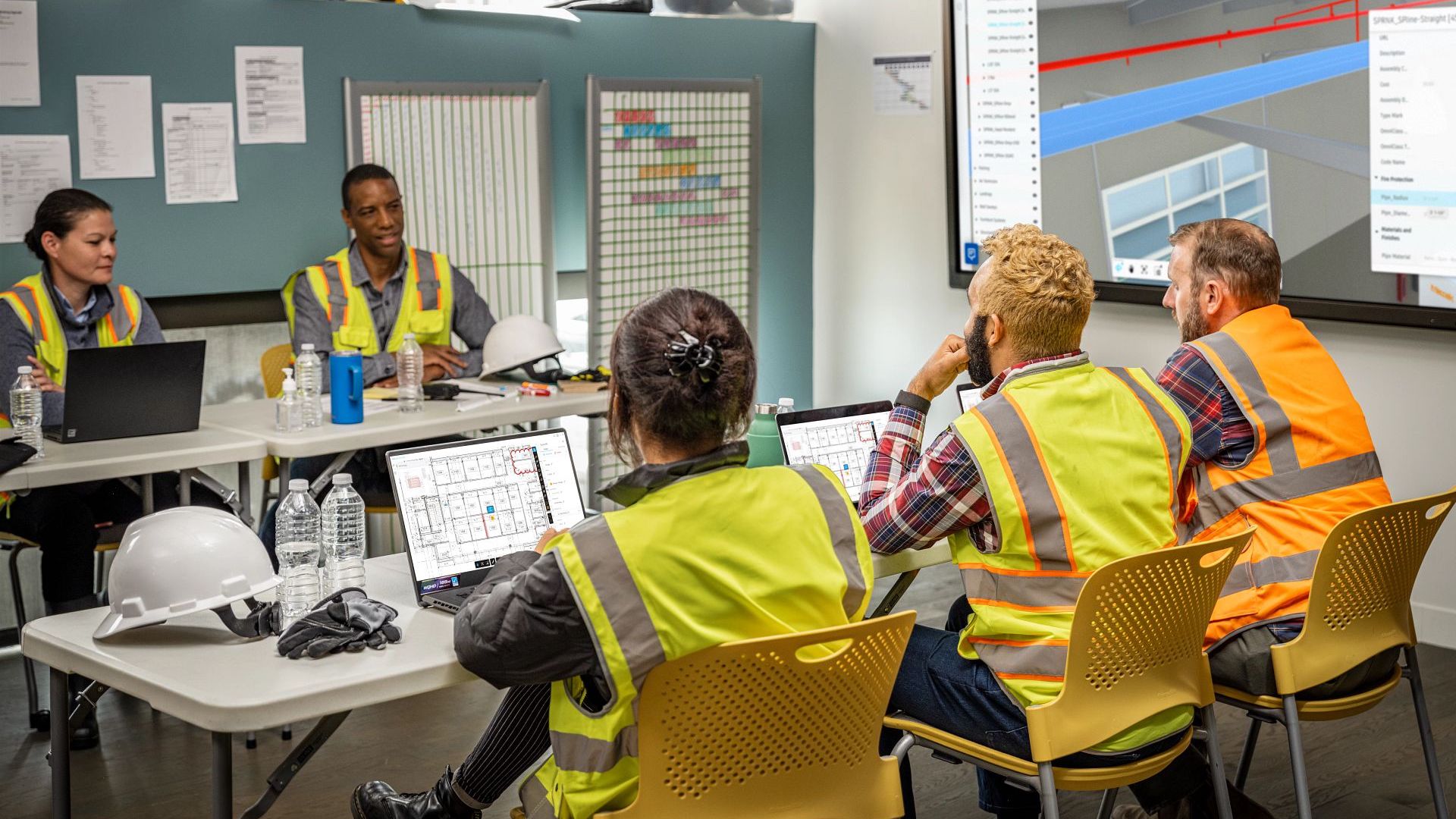
Every building project must balance schedule, cost, and scope. Adjusting one inevitably affects the others. TCE Constructors works closely with clients to manage these factors throughout commercial construction projects, ensuring goals remain realistic and achievable.
In commercial construction San Diego developments, careful planning determines whether a project succeeds or faces overruns.
Establishing a Realistic Timeline
Accurate scheduling begins with understanding the full scope of work. Pre-construction planning identifies permitting timelines, material procurement, and sequencing.
A realistic timeline accounts for:
- Inspections and approvals
- Material lead times
- Trade coordination
- Weather considerations
- Occupancy requirements
Overly aggressive schedules often lead to rushed decisions and higher costs.
Budget Planning and Cost Control
Budget management is not just tracking expenses — it is anticipating them. Experienced builders forecast costs early and monitor them continuously.
Key strategies include:
- Detailed estimates
- Competitive bidding
- Value engineering
- Ongoing cost tracking
A commercial real estate developer benefits from transparency because financial surprises can disrupt financing and leasing plans.
Setting Clear Expectations
Clear expectations prevent conflict. Owners should understand what is included in the contract, what triggers change orders, and how decisions affect schedule and cost.
Important clarifications include:
- Finish selections deadlines
- Tenant improvement responsibilities
- Inspection requirements
- Allowances vs fixed pricing
Well-defined expectations allow smoother project execution.
Handling Change Orders Strategically
Changes occur in nearly every commercial construction project. The goal is managing them without losing control of timeline or budget.
Professional contractors evaluate each change based on:
- Cost impact
- Schedule impact
- Long-term value
Structured processes prevent emotional decisions and maintain project stability.
The Importance of Value Engineering
Value engineering optimizes design without sacrificing quality. By reviewing materials and methods, builders can identify cost savings while maintaining performance.
Examples include:
- Alternative materials
- Simplified assemblies
- Efficient construction sequencing
In commercial construction San Diego markets, this approach helps projects remain financially viable.
Continuous Progress Monitoring
Successful builders track progress throughout construction. Weekly schedule updates and budget reviews identify potential issues early.
Monitoring provides:
- Early warning of delays
- Cost adjustment opportunities
- Better planning for occupancy
This proactive approach supports predictable outcomes.
Delivering Predictable Results
Managing timelines, budgets, and expectations requires organization and communication. Projects succeed when all parties understand responsibilities and decisions are made promptly.
TCE Constructors collaborates closely with owners and the commercial real estate developer team to align planning, execution, and financial goals. Through structured processes and transparent communication, commercial construction projects remain controlled from groundbreaking to completion.
Blog Created and Maintained by Revvia Marketing