Monthly Archives: March 2026

What Clients Should Know Before Starting a Construction Project

Preparation Determines Success

Starting a building project is exciting, but many owners underestimate how much planning happens before construction begins. TCE Constructors works closely with clients early in the process because well-prepared projects consistently outperform rushed ones. In commercial construction San Diego developments, preparation often determines whether a project finishes smoothly or faces costly delays.

Understanding expectations, responsibilities, and timelines before breaking ground helps clients make informed decisions and avoid unnecessary stress.

Define Clear Project Goals

Before hiring a contractor, owners should clarify the purpose of the project. Is the goal long-term investment value, tenant attraction, operational efficiency, or rapid occupancy?

A commercial real estate developer may prioritize leasing flexibility, while a business owner may focus on workflow efficiency. Clearly defining priorities guides design decisions, material selections, and scheduling.

Important questions include:

  • What is the primary function of the building?
  • How soon must occupancy occur?
  • What level of finish is required?
  • Are future expansions planned?

When goals are clear, commercial construction teams can recommend the most effective approach.

Understand Budget vs Vision

One of the most common challenges in commercial construction is aligning expectations with financial reality. Early cost discussions prevent redesign later.

Budgets should account for:

  • Construction costs
  • Permits and fees
  • Design services
  • Contingency funds
  • Equipment and furnishings

Realistic budgeting allows project teams to balance quality and cost while maintaining schedule reliability.

The Importance of Pre-Construction Planning

Pre-construction is where successful projects truly begin. During this phase, the contractor reviews drawings, identifies conflicts, and coordinates with consultants.

Pre-construction typically includes:

  • Site evaluation
  • Scheduling projections
  • Permit coordination
  • Material lead-time analysis
  • Value engineering options

In commercial construction San Diego projects, early planning helps navigate local permitting requirements and prevents unexpected delays.

Decision-Making Timelines Matter

Many delays occur when decisions are made late. Selecting finishes, equipment, or layouts after construction begins can disrupt sequencing.

Owners should prepare to finalize:

  • Floor plans
  • Fixtures and finishes
  • Equipment specifications
  • Technology requirements

Prompt decisions keep progress steady and prevent costly rework.

Expect the Unexpected

Even the best-planned projects encounter surprises such as concealed structural conditions or supply chain delays. Establishing a contingency budget and schedule flexibility helps manage these situations without panic.

Professional builders communicate issues early and present solutions quickly so the project remains controlled.

Communication Is a Shared Responsibility

Clients sometimes assume the contractor handles everything automatically. However, successful commercial construction requires collaboration.

Owners should:

  • Respond to questions quickly
  • Attend progress meetings
  • Review updates regularly

Active participation allows faster decisions and smoother execution.

Permits and Regulations Take Time

Approvals rarely happen instantly. Inspections, zoning reviews, and compliance requirements can affect timelines. Understanding this prevents frustration and unrealistic scheduling expectations.

Working with experienced professionals helps anticipate regulatory steps and keep progress moving forward.

Starting Strong Leads to Smooth Completion

Construction projects run best when clients begin informed and prepared. Clear goals, realistic budgets, timely decisions, and open communication create predictable outcomes.

TCE Constructors helps guide owners through every stage of commercial construction San Diego projects, ensuring they understand the process before work begins and remain confident throughout construction.

Blog Created and Maintained by Revvia Marketing
www.revvia.com

Managing Construction Timelines, Budgets, and Expectations

The Challenge of Balancing Three Priorities

Every building project must balance schedule, cost, and scope. Adjusting one inevitably affects the others. TCE Constructors works closely with clients to manage these factors throughout commercial construction projects, ensuring goals remain realistic and achievable.

In commercial construction San Diego developments, careful planning determines whether a project succeeds or faces overruns.

Establishing a Realistic Timeline

Accurate scheduling begins with understanding the full scope of work. Pre-construction planning identifies permitting timelines, material procurement, and sequencing.

A realistic timeline accounts for:

  • Inspections and approvals
  • Material lead times
  • Trade coordination
  • Weather considerations
  • Occupancy requirements

Overly aggressive schedules often lead to rushed decisions and higher costs.

Budget Planning and Cost Control

Budget management is not just tracking expenses — it is anticipating them. Experienced builders forecast costs early and monitor them continuously.

Key strategies include:

  • Detailed estimates
  • Competitive bidding
  • Value engineering
  • Ongoing cost tracking

A commercial real estate developer benefits from transparency because financial surprises can disrupt financing and leasing plans.

Setting Clear Expectations

Clear expectations prevent conflict. Owners should understand what is included in the contract, what triggers change orders, and how decisions affect schedule and cost.

Important clarifications include:

  • Finish selections deadlines
  • Tenant improvement responsibilities
  • Inspection requirements
  • Allowances vs fixed pricing

Well-defined expectations allow smoother project execution.

Handling Change Orders Strategically

Changes occur in nearly every commercial construction project. The goal is managing them without losing control of timeline or budget.

Professional contractors evaluate each change based on:

  • Cost impact
  • Schedule impact
  • Long-term value

Structured processes prevent emotional decisions and maintain project stability.

The Importance of Value Engineering

Value engineering optimizes design without sacrificing quality. By reviewing materials and methods, builders can identify cost savings while maintaining performance.

Examples include:

  • Alternative materials
  • Simplified assemblies
  • Efficient construction sequencing

In commercial construction San Diego markets, this approach helps projects remain financially viable.

Continuous Progress Monitoring

Successful builders track progress throughout construction. Weekly schedule updates and budget reviews identify potential issues early.

Monitoring provides:

  • Early warning of delays
  • Cost adjustment opportunities
  • Better planning for occupancy

This proactive approach supports predictable outcomes.

Delivering Predictable Results

Managing timelines, budgets, and expectations requires organization and communication. Projects succeed when all parties understand responsibilities and decisions are made promptly.

TCE Constructors collaborates closely with owners and the commercial real estate developer team to align planning, execution, and financial goals. Through structured processes and transparent communication, commercial construction projects remain controlled from groundbreaking to completion.

Blog Created and Maintained by Revvia Marketing

www.revvia.com

How Clear Communication Keeps Construction Projects on Schedule

Communication Is the Backbone of Every Project

Construction projects involve dozens of moving parts — owners, architects, subcontractors, inspectors, suppliers, and project managers. Without structured communication, even well-planned projects fall behind schedule. TCE Constructors understands that successful commercial construction San Diego projects depend as much on coordination as craftsmanship.

Clear communication reduces delays, prevents costly errors, and ensures every stakeholder works toward the same goal. When expectations are shared early and consistently reinforced, projects move forward smoothly.

Why Projects Fall Behind Schedule

Most delays are not caused by labor shortages or weather. They stem from misunderstandings. Missing details, unclear drawings, and uncoordinated trades create ripple effects that push timelines back.

Common communication breakdowns include:

  • Unclear design intent
  • Late material approvals
  • Incomplete documentation
  • Trade overlap conflicts
  • Permit misunderstandings

In commercial construction, a single missed detail can halt progress across multiple teams.

Establishing Expectations Early

Successful scheduling begins before construction starts. Early coordination meetings allow the builder, architect, and commercial real estate developer to align priorities and define milestones.

During pre-construction, teams clarify:

  • Project scope
  • Budget constraints
  • Material lead times
  • Inspection requirements
  • Scheduling sequences

When these items are discussed in advance, crews can plan work without interruption.

The Role of Daily Coordination

Daily communication ensures everyone knows what is happening on site. Professional project management includes regular updates and documentation.

Key practices include:

  • Daily progress reports
  • On-site coordination meetings
  • Updated construction schedules
  • Immediate issue escalation

In commercial construction San Diego projects, consistent updates allow teams to adjust quickly instead of waiting for problems to grow.

Preventing Trade Conflicts

Multiple trades working simultaneously increases efficiency but requires coordination. Without communication, subcontractors may block each other’s work areas or install components in the wrong sequence.

Effective builders schedule work zones and timelines carefully so electrical, plumbing, framing, and finishing crews operate without interference. This structured workflow minimizes downtime.

Managing Changes Without Delays

Changes are inevitable in commercial construction. Tenants revise layouts, materials become unavailable, and unforeseen conditions appear during demolition.

Clear communication prevents these changes from stopping progress. A documented change process allows teams to:

  • Evaluate impact quickly
  • Adjust scheduling logically
  • Maintain accountability

When everyone understands the process, projects adapt without chaos.

Technology Improves Transparency

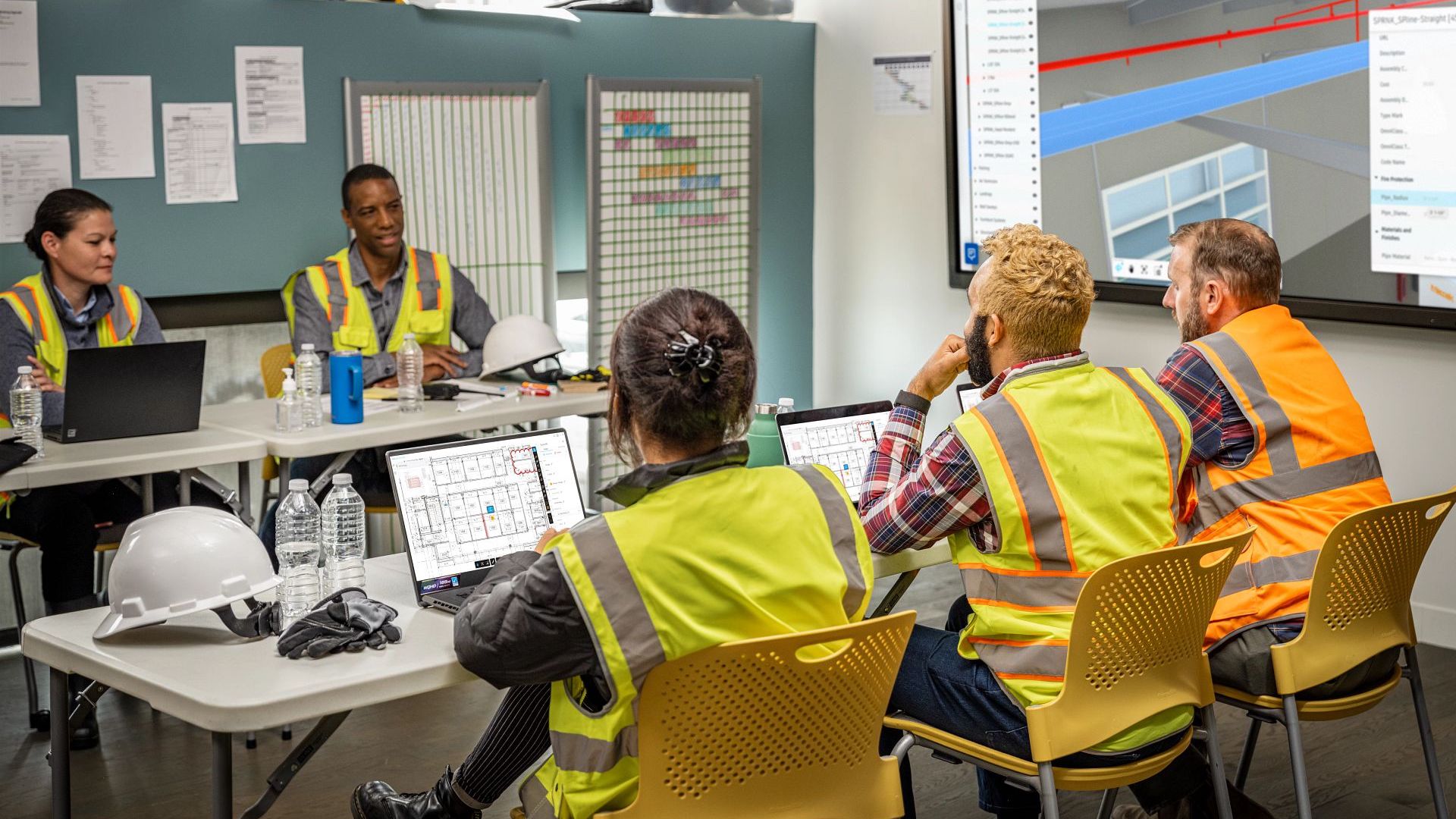
Modern construction management software allows real-time communication across teams. Drawings, updates, and approvals remain accessible to all stakeholders.

Benefits include:

  • Faster decisions
  • Accurate documentation
  • Reduced misunderstandings
  • Improved accountability

For a commercial real estate developer, this transparency provides confidence that timelines remain under control.

The Human Factor

Beyond tools and meetings, trust matters. Teams communicate more effectively when they feel heard and respected. Strong leadership encourages questions, clarifications, and proactive problem solving.

TCE Constructors prioritizes collaboration so issues surface early instead of becoming delays.

Building Projects That Stay on Schedule

Construction schedules depend on people working together toward shared expectations. When communication flows consistently — from planning through completion — projects maintain momentum.

By coordinating stakeholders, documenting decisions, and addressing challenges immediately, TCE Constructors delivers reliable commercial construction San Diego results that keep projects moving forward efficiently.

Blog Created and Maintained by Revvia Marketing

www.revvia.com